
Themes
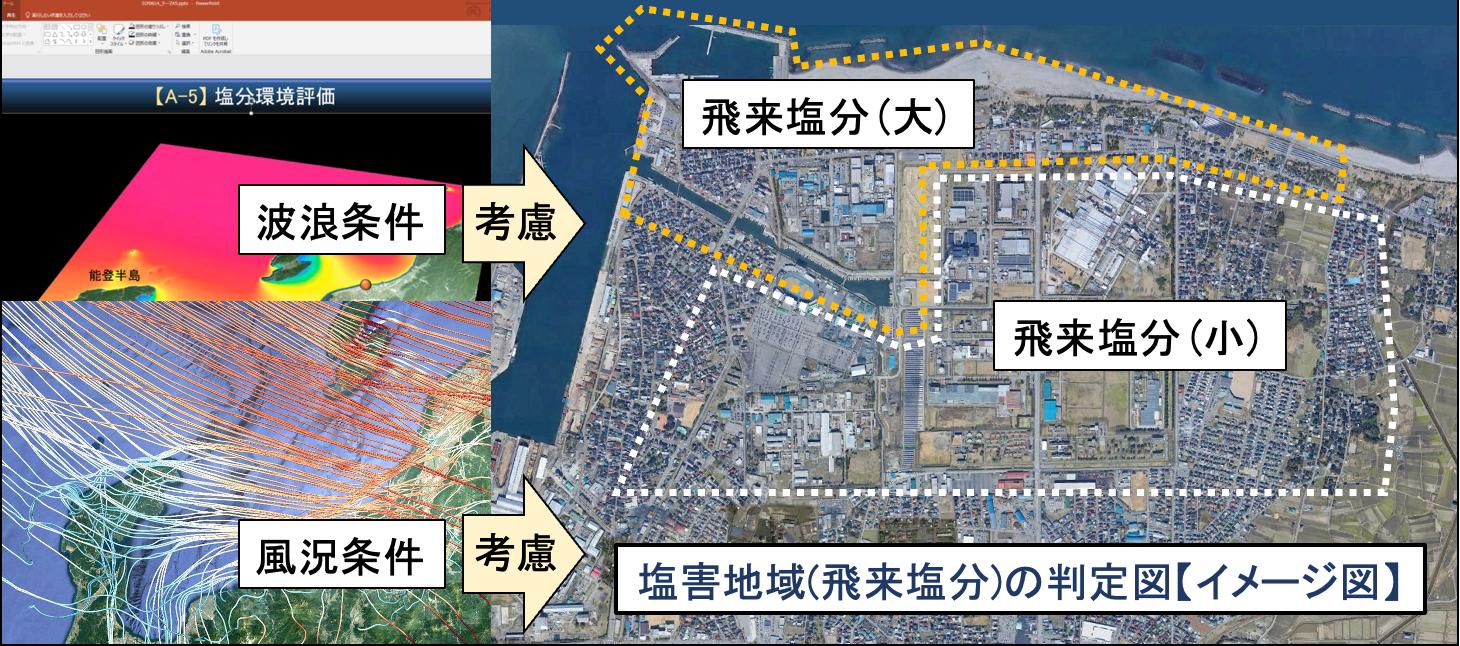
A1 - Chloride Environment Evaluation
A map of chloride attack areas is being created that can determine the amount of chloride that is flied from the coast, taking into account local winds, waves, etc. This map is useful in determining the maintenance priorities of bridges near the coast.
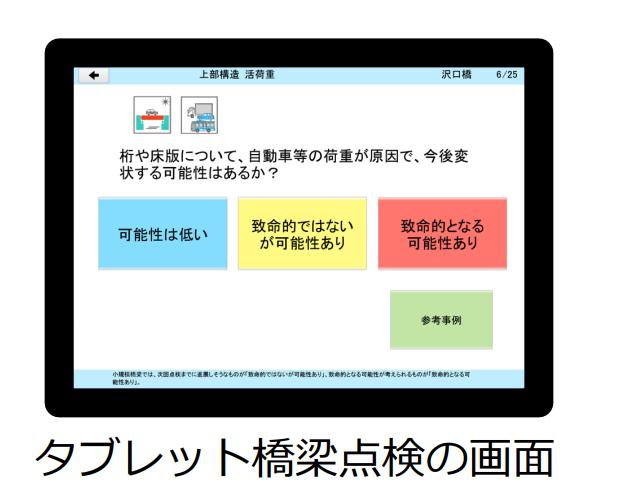
A2 - Bridge Inspection System Using Tablet Devices
A system utilizing tablet devices to efficiently inspect small-scale bridges of around 5 meters in length, which account for about 80% of municipal-managed bridges and are common on local roads.
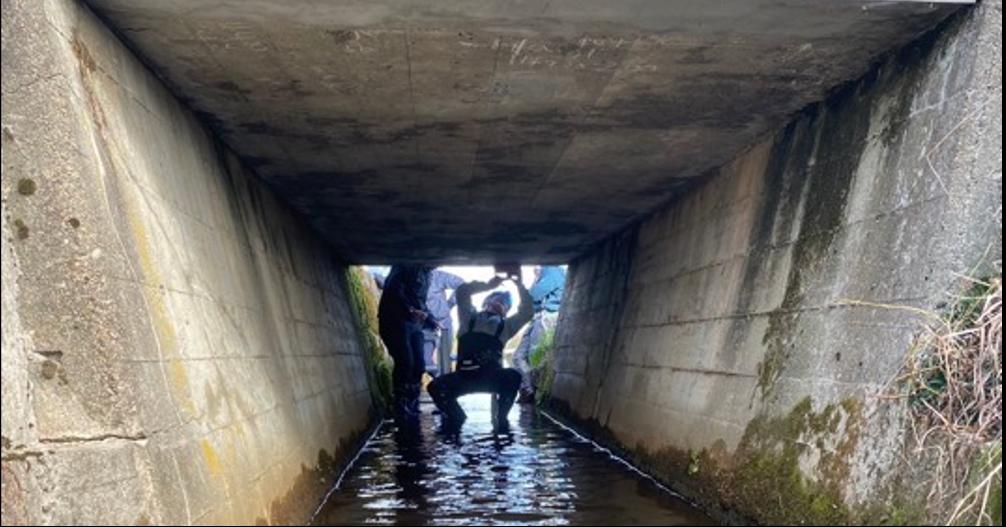
A3 - Non-Destructive Inspection and Diagnosis
We are developing a non-destructive testing device that can easily and quantitatively evaluate the deterioration of concrete structures while also promoting human resource development through its application.
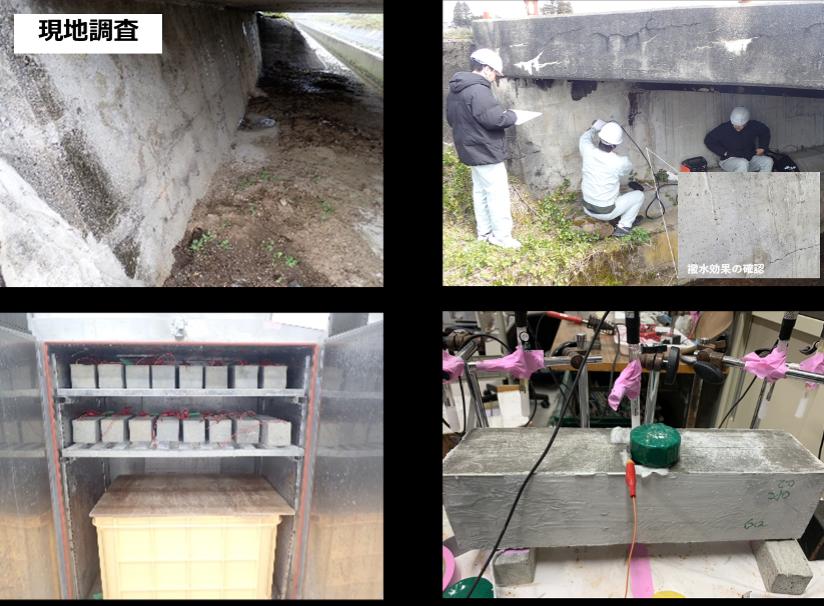
A4 - Efficiency and Advancement of Short-Span Concrete Bridge Maintenance
Since 2018, quick and low-cost repair tests have been conducted in Toyama City, with evaluations by municipal officials and experts. The Hokuriku SIP is promoting the dissemination and analysis of these initiatives.
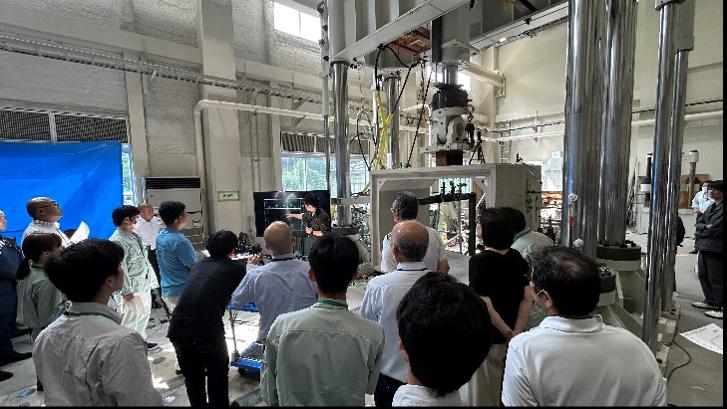
A5 - Verification of Short Bridge Destruction
Understanding the ultimate destruction state of short concrete bridges makes it easier to evaluate their safety for long-term use and earthquake damage. Therefore, we conduct simulated experiments and analyses on short-span bridges.
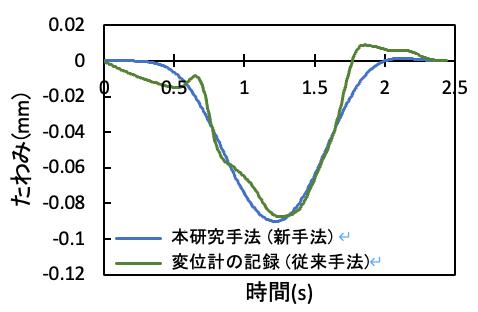
A6 - Labor-Saving Deflection Measurement Method for Short-Span Bridges
A method that measures bridge deflection during vehicle passage using a single sensor installed on the bridge. This technique is useful for evaluating aging bridges and determining post-earthquake safety.
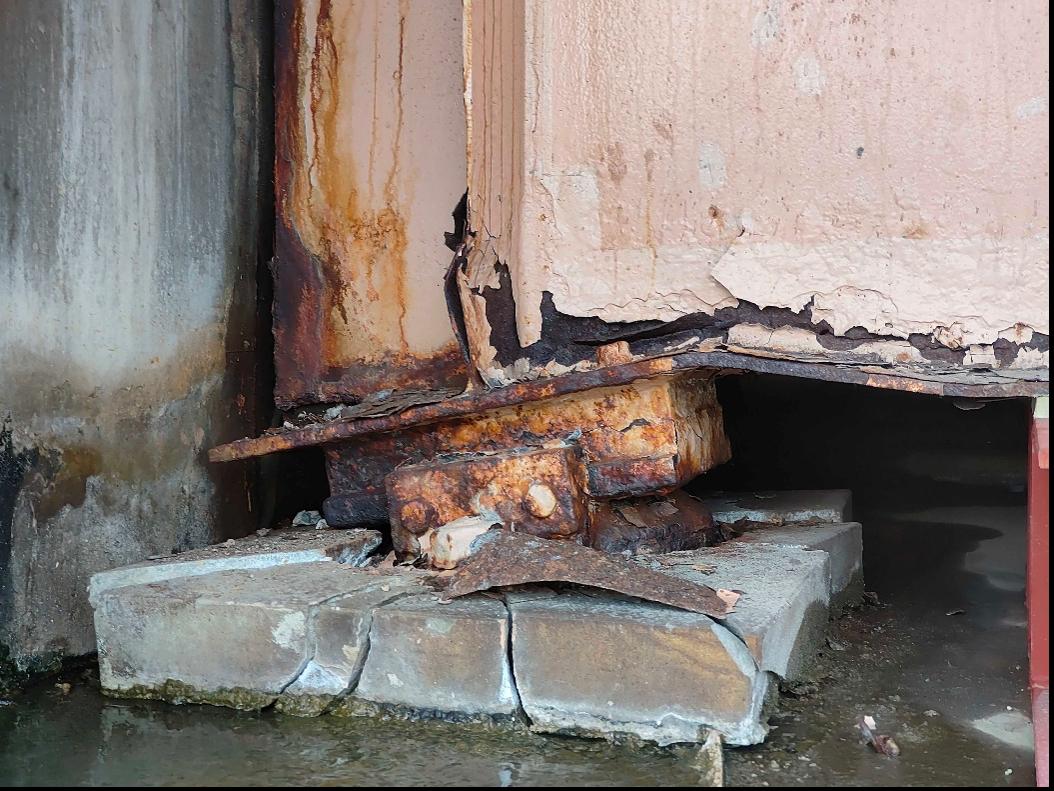
B - Performance Evaluation of Bearings
Developing a simple measurement and maintenance method for bearings to extend bridge lifespan and reduce maintenance costs by preventing deterioration and early detection of defects.
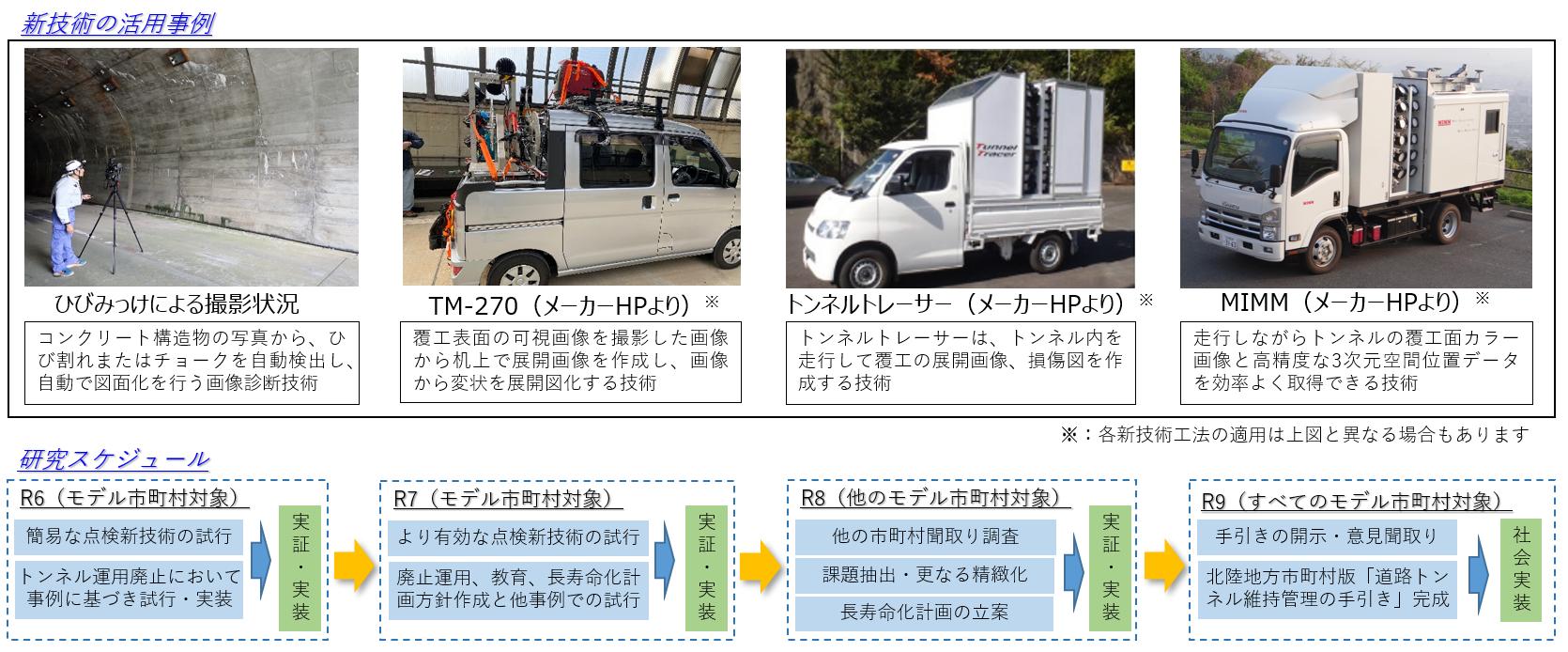
C - Improving Efficiency and Sophistication of Tunnel Maintenance
Creating a Hokuriku region municipal guide for road tunnel maintenance, covering (1) Inspection and Measures, (2) Operation, Closure, and Retention, (3) Technical Education, and (4) Long-Term Maintenance Planning.
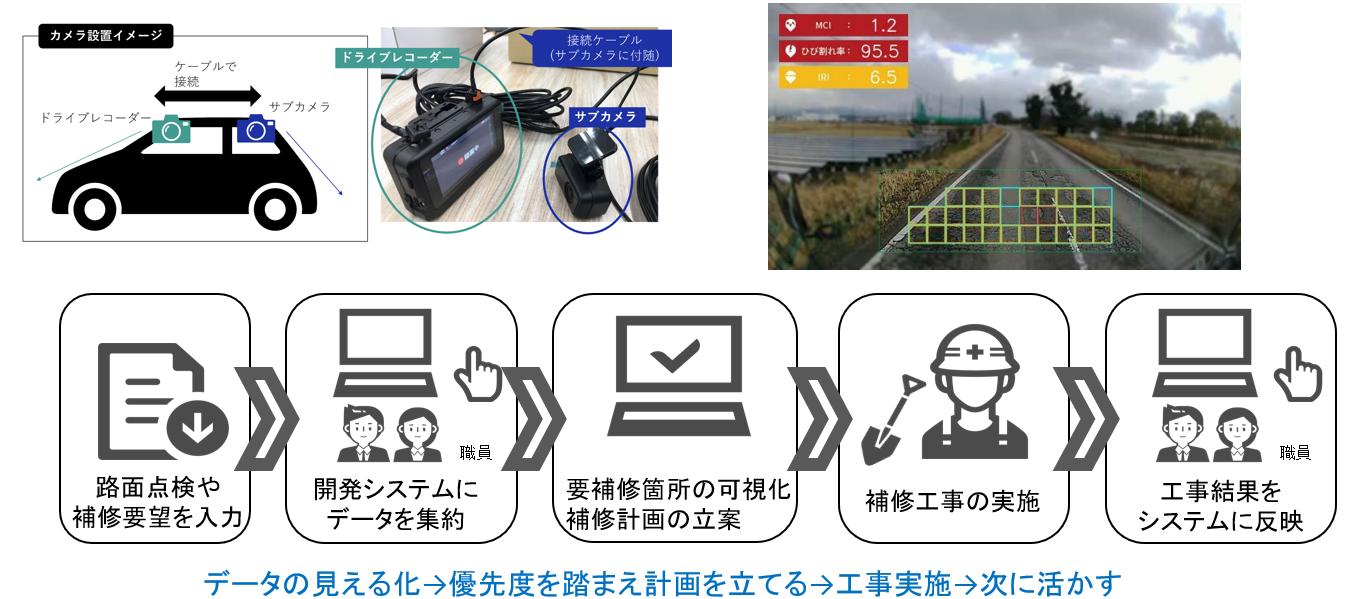
D - Improving Efficiency and Sophistication of Pavement Maintenance
Improving and implementing digital inspection technology for road surface assessments while supporting municipal repair planning.
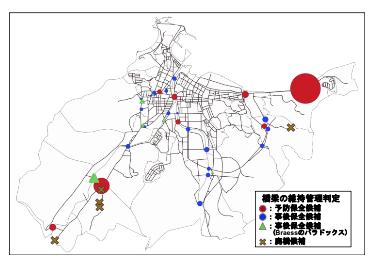
E1 - Road Usage Impact Simulation During Bridge Traffic Restrictions Using GPS Behavior Data
Simulating changes in travel time during traffic restrictions using transportation big data to quantitatively identify bridges that require maintenance.
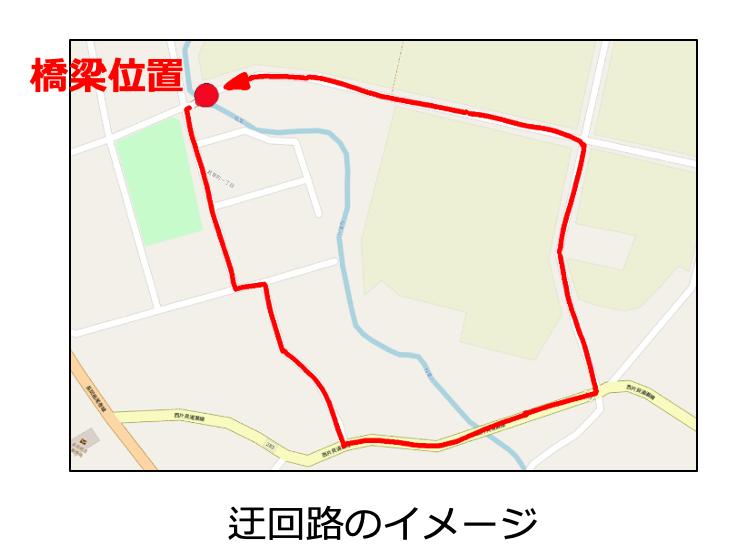
E2 - Calculation of Detour Distances for Bridges
Analyzing the presence and distance of detour routes when consolidating bridges to evaluate regional characteristics and maintenance priorities.
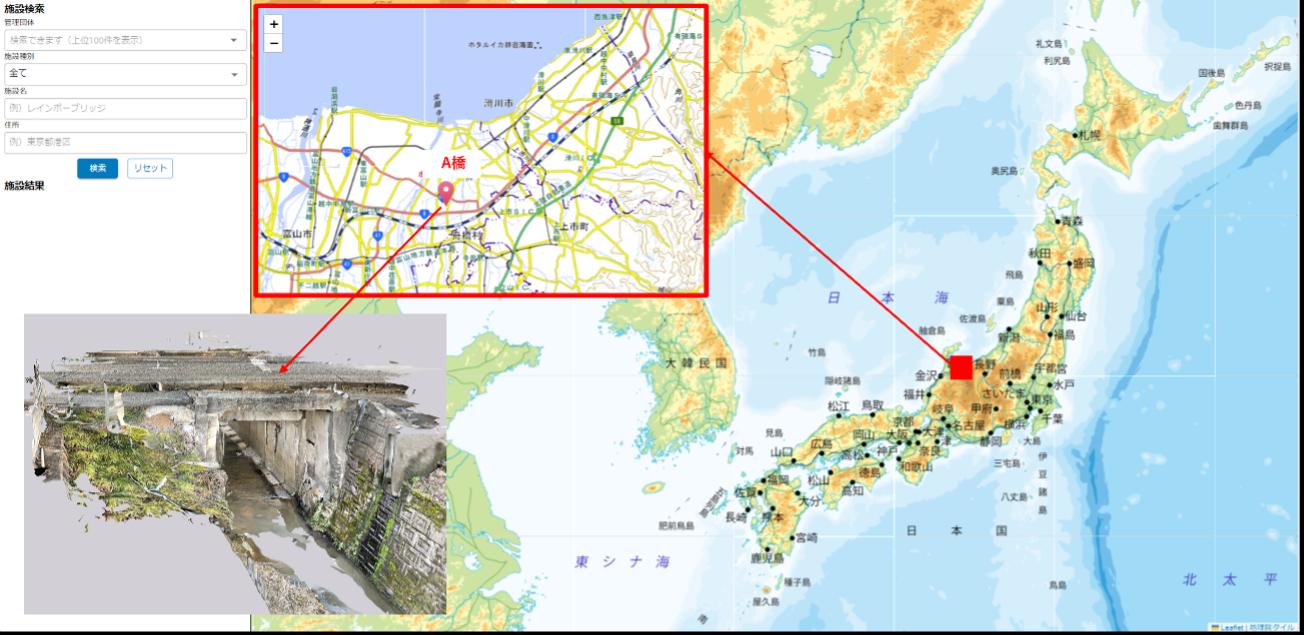
F - Development of mid- to long-term forecasting methods using digital twins
Collecting and digitizing data on small-scale concrete bridges to build a system that municipalities can use for bridge maintenance, which is also accessible to citizens.
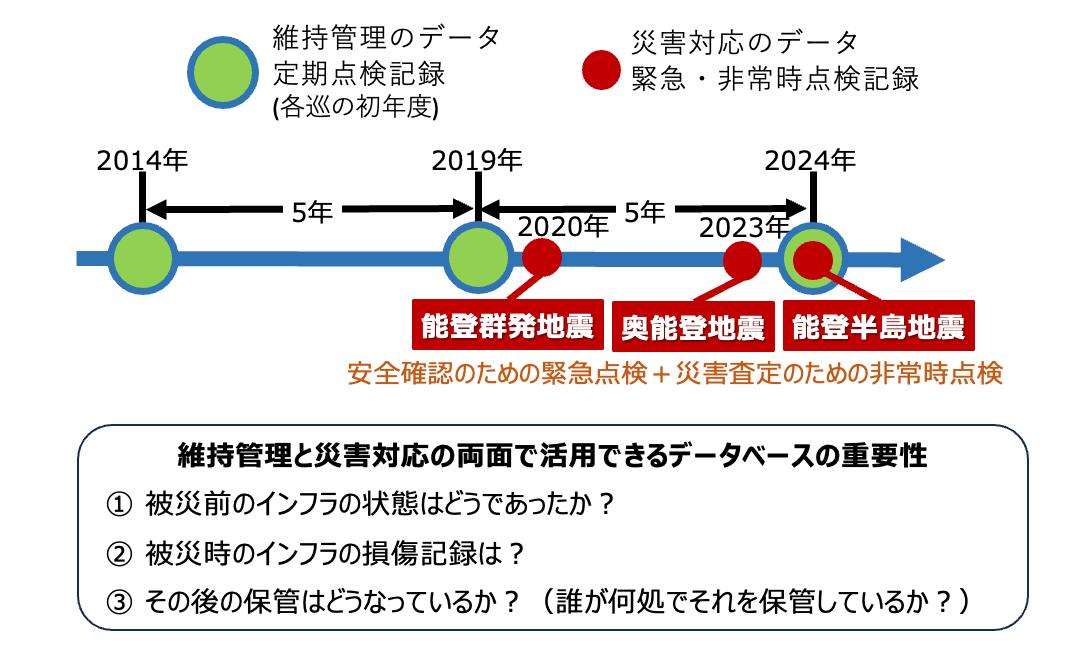
F' - Digital Transformation (DX) for Government Cooperation in Response to Noto
Unifying, visualizing, and sharing road information for agricultural and forestry roads under different governing agencies to develop a system and personnel resources for disaster response and recovery.

G2 - EBPM Trial
Researching a method to evaluate and develop social infrastructure maintenance using EBPM through dialogues with municipal employees.
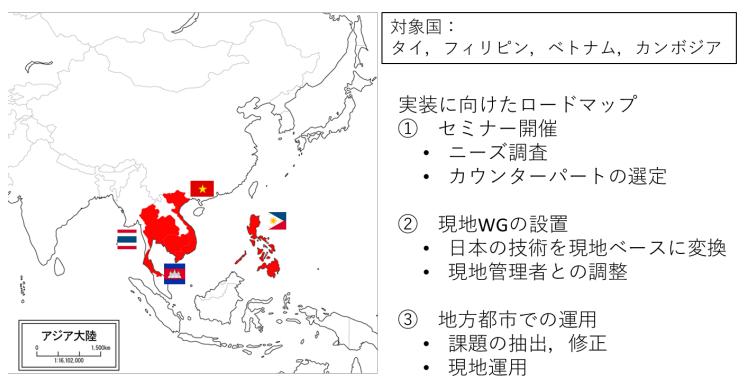
G3 - Human Resource Development for Municipal Staffs
Expanding the repair and inspection technology education system as a 'Japan Brand' to address maintenance challenges in Southeast Asia.
H1 - Demonstration in Model Municipalities
Collaborating with approximately 10 model municipalities to implement technologies, systems, and human resource development programs developed in this SIP project.
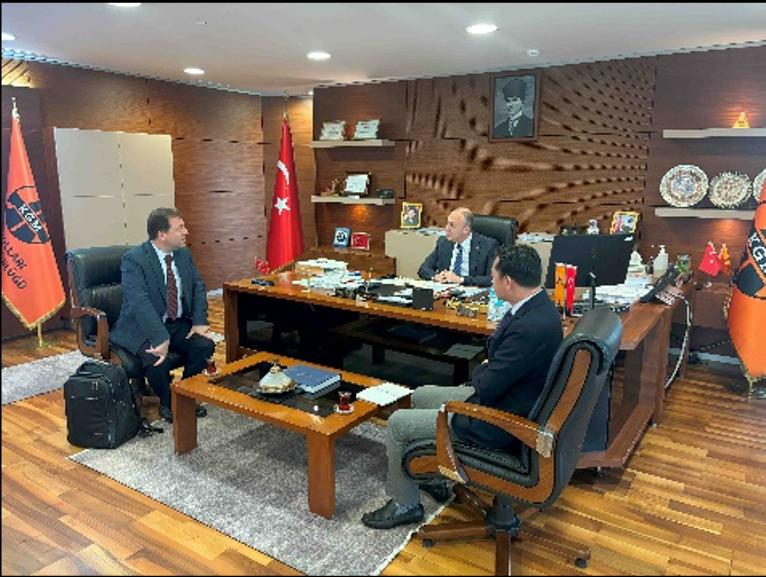
H3 - Investigation of Overseas Business Cases
Understanding the social infrastructure maintenance practices of overseas municipalities to provide effective information to Japanese cities and promote SIP outcomes internationally.
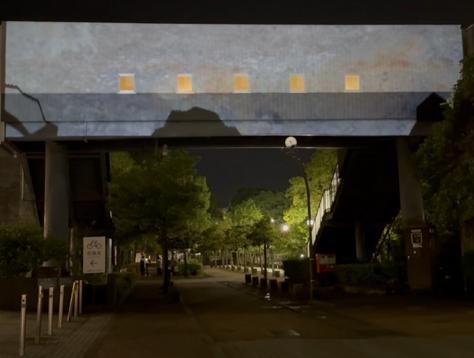
I1 - Public outreach
Using projection mapping on repaired bridges to blend traditional culture with cutting-edge digital technology, creating new value that connects people and infrastructure.
Copyright ©︎2024 SIP Hokuriku ALL Rights Reserved.


